The Difference Between Community and Belonging
One disappointing visit taught me one of the most important lessons about creating a community where people truly belong

For nearly ten years, I dreamed about visiting a particular cohousing community.
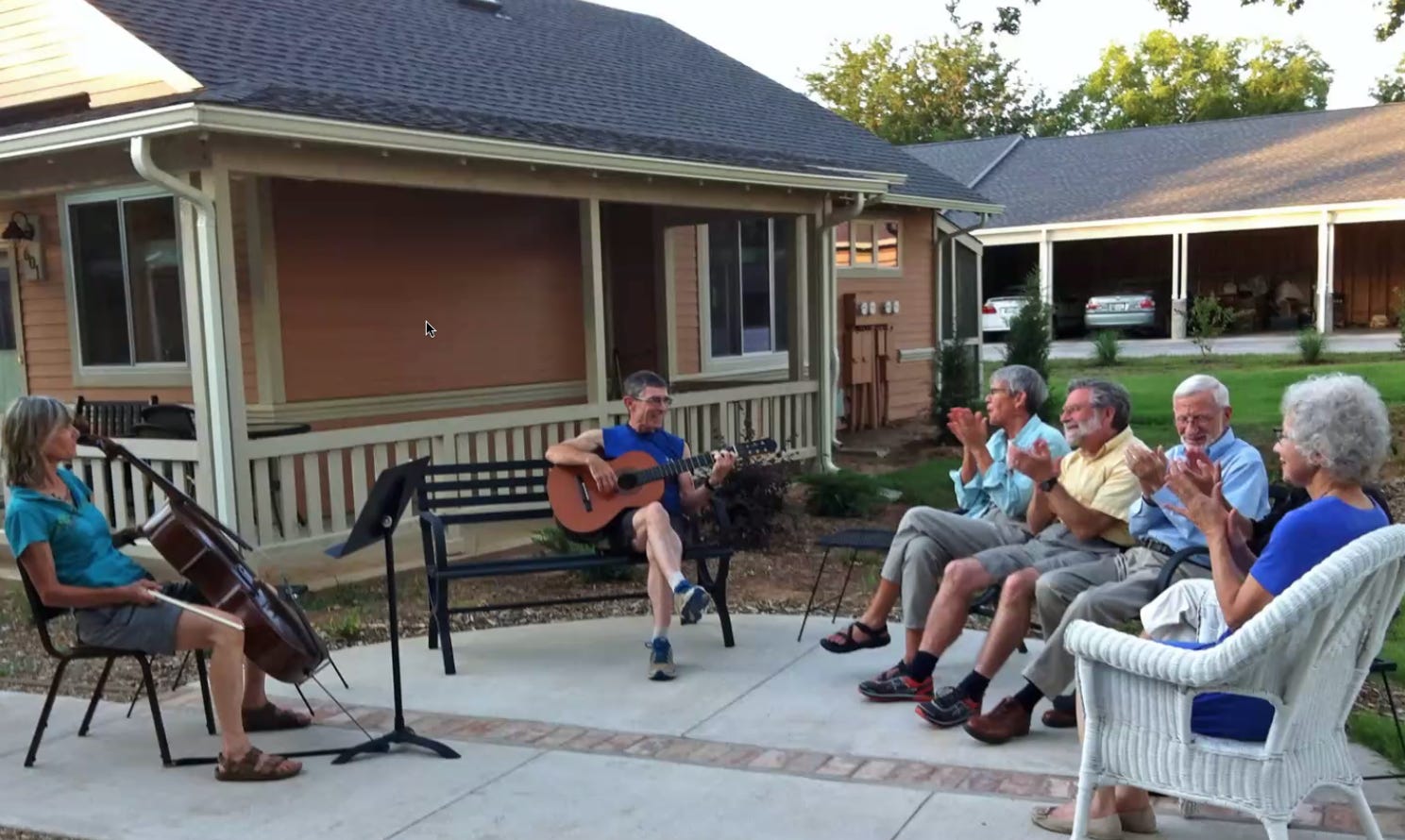
Like many people discovering cohousing for the first time, I spent countless hours reading websites, watching videos, and imagining what life might be like in a neighborhood where people truly knew one another. One community in particular captured my imagination. Everything they described was exactly what I was looking for—neighbors who shared meals, cared for one another, and built a life together. At the time, they didn’t have any homes available, and I wasn’t in a position to move anyway, so I simply kept following them from afar.
Over the years, that community became, in my mind, the picture of what cohousing could be.
Eventually, my daughter and I finally had the opportunity to visit. We arranged to stay for a week so we could really experience daily life in the community. I was excited, maybe even a little nervous. After waiting so long, I couldn’t believe we were finally pulling into the neighborhood I’d imagined for nearly a decade.
Instead of feeling like we’d arrived home, though, we felt a little lost.
I had texted when we were about ten minutes away, expecting someone might meet us or point us in the right direction. No one did. We eventually figured out where to park and where we were staying, and that evening we joined the community’s monthly potluck. We brought desserts to share and looked forward to meeting everyone.
During the introductions, I mentioned that I had been following the community for nearly ten years and had dreamed of visiting. Someone quietly muttered, “Stalker.” I don’t think the comment was intended to be hurtful, but it stung nonetheless.
Throughout dinner, I did what I usually do. I introduced myself, asked questions, and tried to get conversations started. I’ve never considered myself an introvert. I genuinely enjoy meeting new people. But the conversations never really took off. People were polite enough, but it felt as though we had interrupted a family gathering where everyone already knew one another.
What affected me even more was watching my daughter.
She has always approached new situations differently than I do, and I pay close attention to how welcoming environments feel through her eyes. Throughout the evening, people repeatedly called her Regina instead of Reyna, despite being corrected. She became quieter as the night went on, and by the end of the evening, neither of us felt like we belonged.
That night we quietly booked a hotel room and decided we’d leave the following morning instead of staying for the rest of the week.
As we were walking through the community the next day before leaving, we happened to run into the resident who was supposed to give us a tour the evening before. They were surprised to learn we were leaving early and even more surprised when we explained why. They shared that they were one of the newer members of the community themselves and also one of the more introverted residents. It was a kind conversation, and I appreciated their willingness to listen.
The drive home gave me a lot to think about.
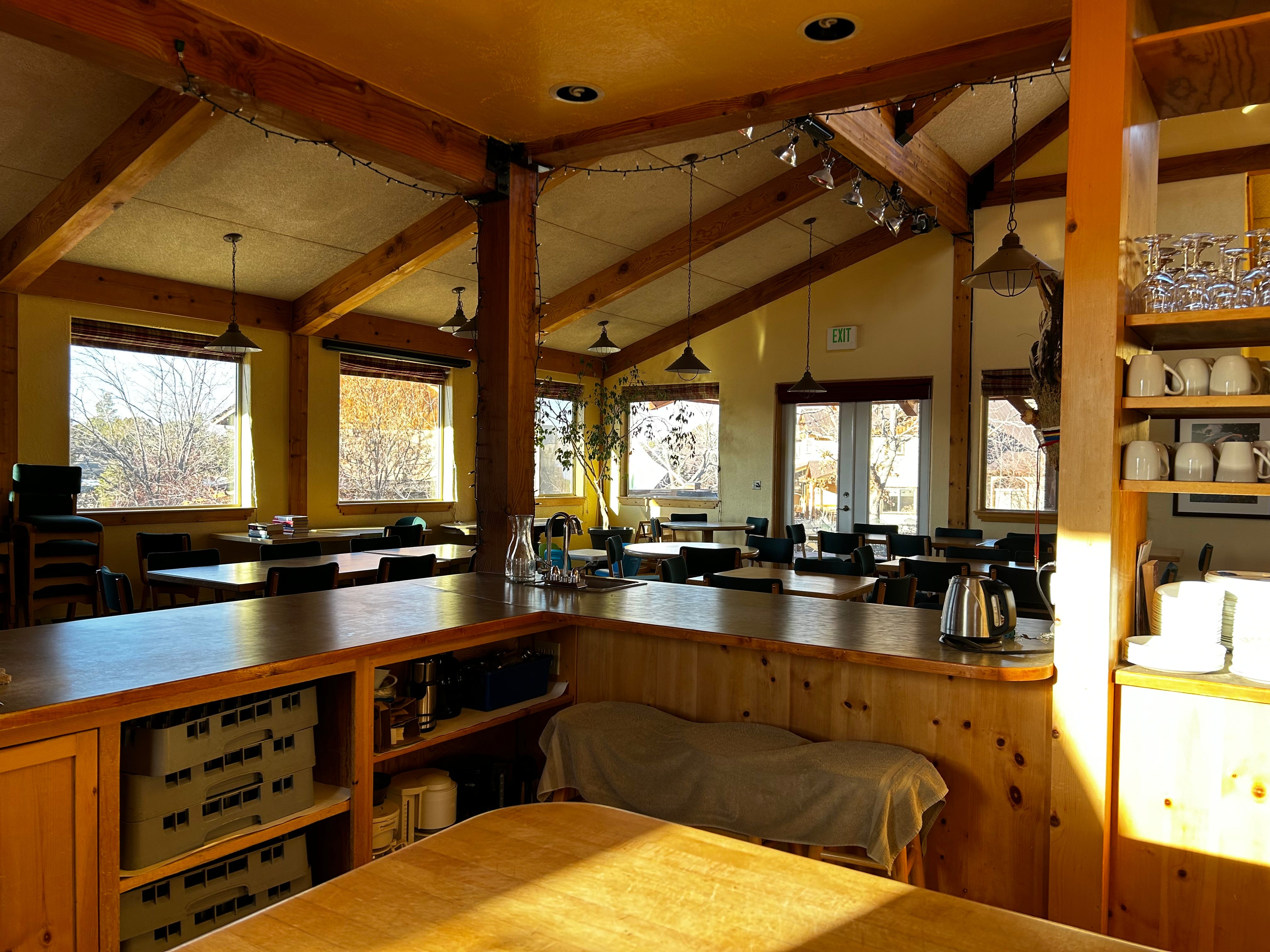
It would have been easy to conclude that cohousing simply wasn’t what I had hoped it would be. Although I had attended several lovely Zoom meetings over the years to meet folks from both established and developing communities, so I knew that wasn’t the case.
Instead, I realized something much more important. That community wasn’t lacking community at all.
In many ways, they had exactly what I had admired for so many years. Their relationships were genuine. They clearly cared deeply about one another. They had built something remarkable over more than thirty years together.
The challenge wasn’t that they had failed to create community.
The challenge was that their community had become so well established that it was difficult to see what it felt like to experience it for the first time.
For people who had lived there for years, everything probably felt perfectly natural. They had decades of shared history, inside jokes, routines, and friendships. Without meaning to, they had become a little like a close-knit family. And anyone who’s ever walked into someone else’s family reunion knows how hard it can be to find your place.
That visit changed the way I think about community. I realized there’s an important difference between community and belonging. Community describes the relationships that already exist. Belonging is the experience of someone who is just arriving.
One can exist without the other.
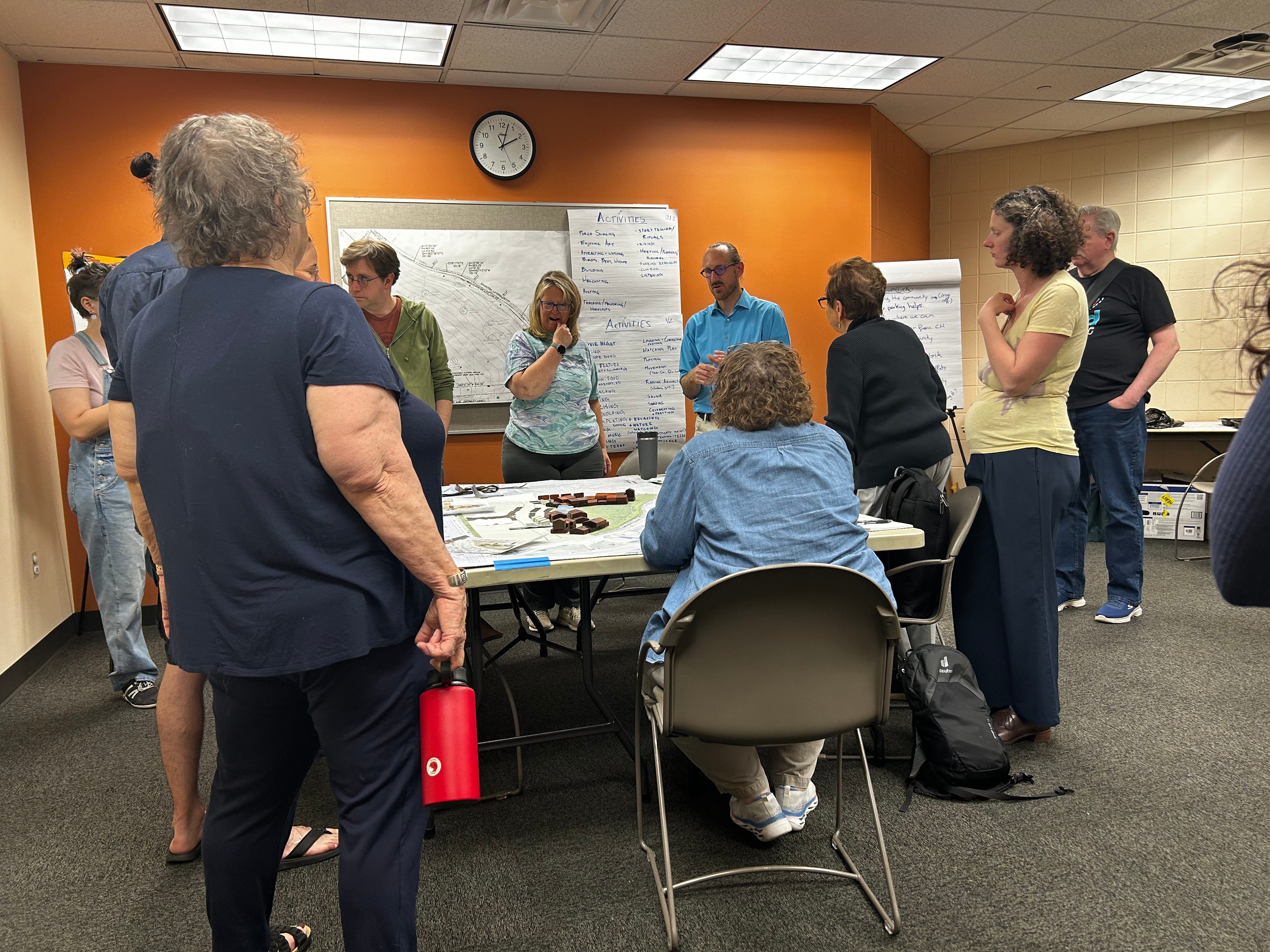
I’ve thought about that visit many times over the past several couple of years as Gratitude Village has grown from an idea into a real community of people. Long before we ever had land under contract or architects drawing plans, we were welcoming people into meetings, hosting information sessions, sharing meals, and inviting strangers to imagine building something together. Every time someone walks into one of our gatherings for the first time, I remember what it felt like to walk into that dining room years ago.
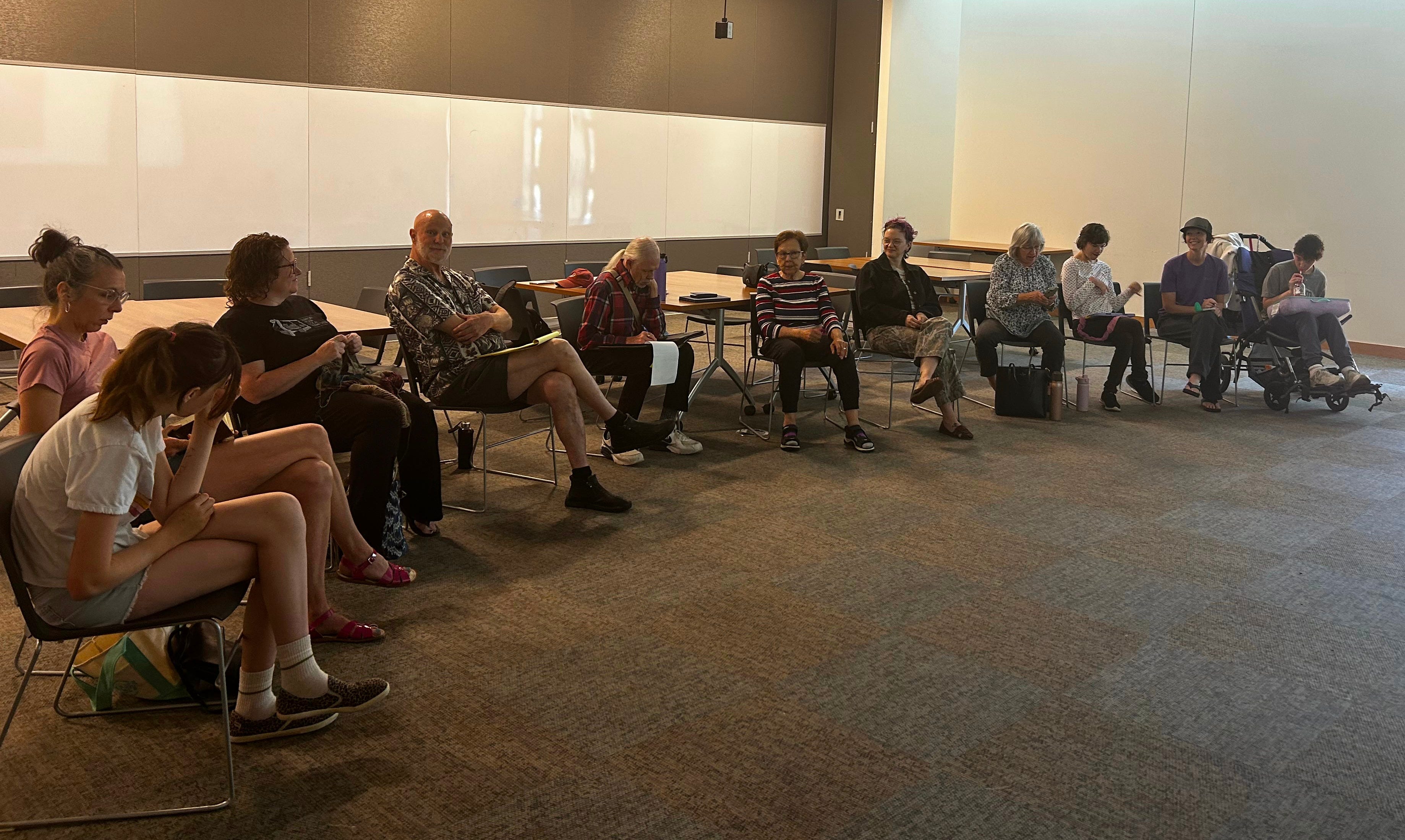
It has influenced countless small decisions that most people probably never notice. We wear name tags. We make introductions. We try to explain unfamiliar terms instead of assuming everyone already understands them. We invite questions. We intentionally create opportunities for new people to participate instead of simply observing. We won’t always get it right, but we want every person who visits Gratitude Village to leave feeling that someone was genuinely glad they came.
Ironically, the community that taught me this lesson continued learning as well. Over the years, they’ve updated their website and communications to more clearly describe who they’re hoping to attract, particularly young families who can help sustain the community for future generations. Like every healthy community, they’ve continued to evolve, adapt, and learn from experience. That, too, is part of intentional community.
Looking back now, I’m grateful for that visit, even though it wasn’t the experience I had imagined. It reminded me that beautiful architecture, a Common House, shared gardens, and decades of history don’t automatically create belonging. Belonging happens when people intentionally make room for someone new.
That’s the community I hope we’re building at Gratitude Village.
Not just one where neighbors know one another, but one where every new person who walks through the door can imagine, perhaps for the very first time, that they might someday belong there too.