

Learning to Live Like Neighbors

One of the things that has surprised me most about creating Gratitude Village has very little to do with land, architecture or financing. Those are certainly fun and challenging, but they aren’t the part of this journey that has surprised me the most. Instead, I’ve begun to realize that creating an intentional community is asking all of us to learn something we may never have been taught in the first place: how to truly live like neighbors.
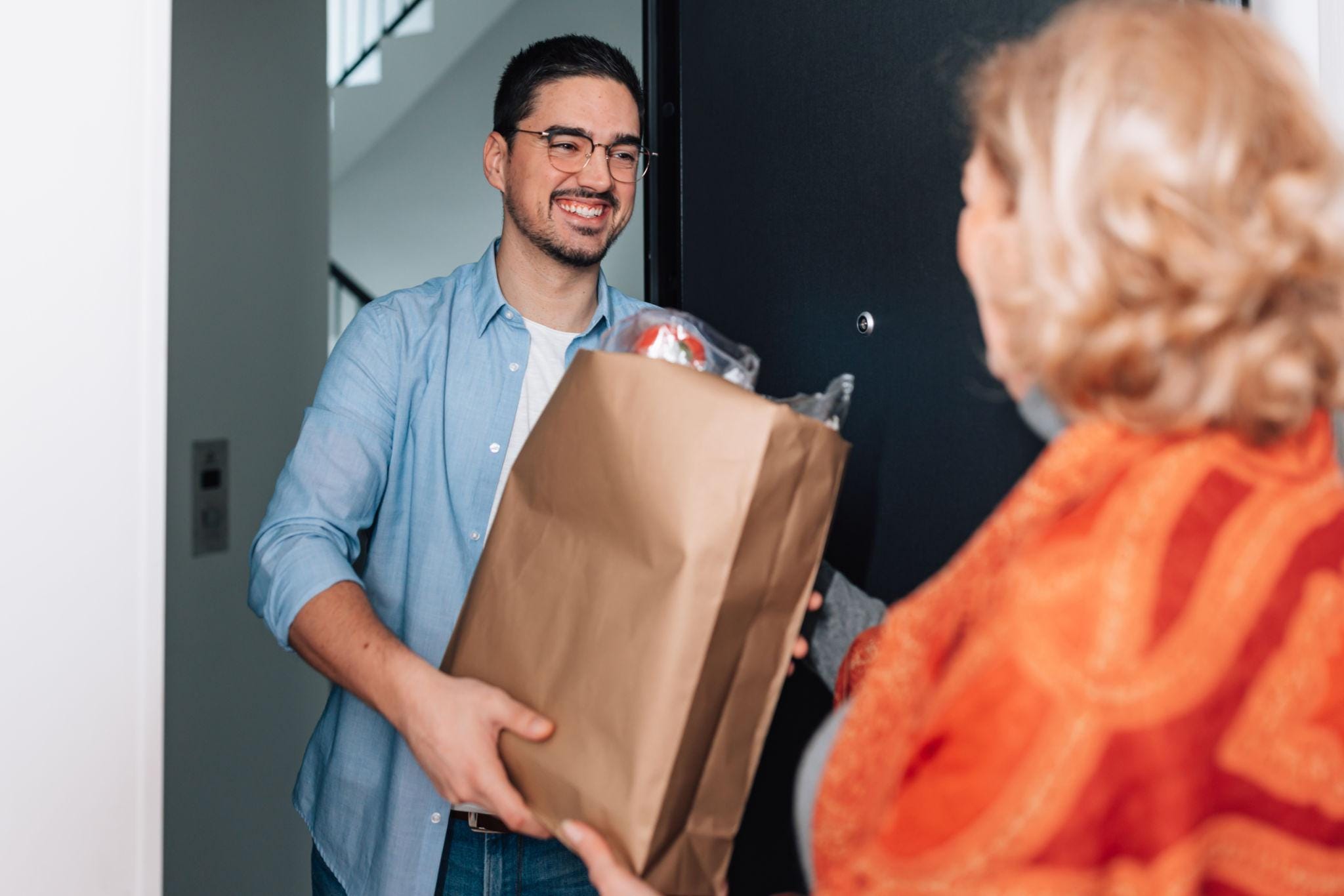
At first, that sounds like an odd thing to say. Most of us already have neighbors. We’ve lived next door to people for years, and many of us have wonderful relationships with them. We wave across the driveway, bring in each other’s trash cans, collect the mail when someone is traveling, or stop for a quick chat while walking the dog. Those small acts of kindness matter, and they help make a neighborhood feel friendlier. But I’m beginning to think there’s another layer to neighboring that many of us have had very little opportunity to experience.
As our Founding Members have begun designing Gratitude Village together, I’ve noticed something about the rhythm of our meetings. We come together with full calendars, long agendas and important decisions to make. We work hard, ask thoughtful questions, wrestle with difficult choices, and then, when the meeting ends, many of us gather our things and head off to whatever comes next. I understand that completely because I’m usually doing exactly the same thing. We have busy lives! There are emails waiting to be answered, dinner to make, errands to run, and responsibilities that don’t disappear simply because we’ve spent the afternoon planning a community.
There’s nothing wrong with that. In fact, it’s exactly how most of us have learned to live. Our culture rewards productivity. We admire people who are organized, efficient and independent. We pride ourselves on solving our own problems, managing our own schedules and not asking too much of anyone else. Those qualities have served many of us well throughout our lives. They helped us build careers, raise families, weather difficult seasons and become capable adults. Independence is not something I think we should abandon.
But I’m beginning to wonder whether independence, by itself, is enough to build a village.
When I imagine life at Gratitude Village a few years from now, I don’t picture people rushing from one obligation to the next without ever looking up. I picture someone lingering after dinner because the conversation has become too interesting to leave. I picture neighbors sitting on a porch while children chase each other through the courtyard. I picture someone mentioning they aren’t feeling well, only to find soup arriving at their door later that evening. I picture spontaneous moments that no one scheduled and no committee organized. Those are the moments that transform a collection of homes into a community.

The interesting thing is that those moments won’t magically appear just because we build a beautiful Common House or design inviting walking paths and quiet gathering nooks. Thoughtful design certainly helps and I believe deeply in creating places that encourage people to cross paths naturally. But architecture can only create opportunities. It’s the people who choose what happens next. If we’re hoping to create a neighborhood where connection becomes part of everyday life, then perhaps we need to begin practicing those habits long before anyone moves in.
I’ve noticed this in other ways as well. Every design workshop and every Community meeting asks something of us that goes beyond making decisions. It asks us to slow down enough to really hear another person’s perspective. It asks us to hold our own opinions with a little more humility and a little less certainty. Sometimes the best idea isn’t the first one offered, and sometimes it isn’t mine. Learning to sit with differing viewpoints, to let ideas evolve instead of rushing toward a conclusion and to trust that collective wisdom can produce something richer than any one of us would have created alone is a very different way of working than many of us are used to.
The more I reflect on it, the more I think we’re all engaged in a quiet process of unlearning. Many of us were raised to believe that success meant becoming increasingly self-sufficient. We celebrate people who can handle everything on their own. Asking for help can feel uncomfortable. Receiving help can feel even more uncomfortable because we worry about being a burden. Yet every thriving village throughout history has depended on something different. It has depended on healthy interdependence—the understanding that giving and receiving are equally valuable, and that our lives become richer when we allow ourselves to rely on one another from time to time.
I don’t think this is just a lesson about cohousing. In many ways, I think it’s a lesson about the kind of world so many of us say we want. We long for deeper friendships, stronger neighborhoods and a greater sense of belonging. We worry about loneliness and disconnection, yet many of us have spent our entire lives practicing habits that unintentionally keep those things at a distance. Building Gratitude Village is making me realize that creating a different neighborhood also requires creating different habits and habits take time to change.
Perhaps that’s one of the reasons this work begins years before the first home is built. Right now, we’re conducting environmental studies, refining site plans, meeting with architects and navigating the long process of development. But something else is happening at the same time. We’re learning how to listen more carefully. We’re learning how to think about “we” as often as “me.” We’re discovering that belonging isn’t something a building can provide or a developer can deliver. It’s something ordinary people create together, one conversation, one decision and one act of generosity or kindness at a time.
Someday, I hope people will walk through Gratitude Village and notice the beautiful homes, the gardens, the Common House and the tree-lined pathways. But I hope they’ll notice something else, too. I hope they’ll sense that the people who live there have spent years practicing how to become good neighbors before they ever shared a ZIP code.
Maybe that’s been the real work all along.