
Conflict Happens
What if you’re someone who avoids conflict?

If I’m being honest, conflict is not something I naturally lean into.
In fact, if you look at my personality profile — ENFJ, sometimes called “The Protagonist” — one of the common tendencies is a desire for harmony. A preference for things to feel smooth, aligned, and positive. And while that can be a strength in many areas of life, it also means I’ve spent years avoiding conflict whenever I could.
Not because I don’t care. But because I do care.
Because I don’t want to create discomfort. I don’t want to damage relationships. I don’t want to say the wrong thing or make something worse.
So like many people, I’ve often chosen the path of least resistance. Let something go. Stay quiet. Assume it will work itself out.
Sometimes it does.
But often, it doesn’t.
It lingers. It shifts the energy of a relationship. It creates distance where there was once ease. And over time, those small, unaddressed moments add up.
I think this is how many of us have learned to live.
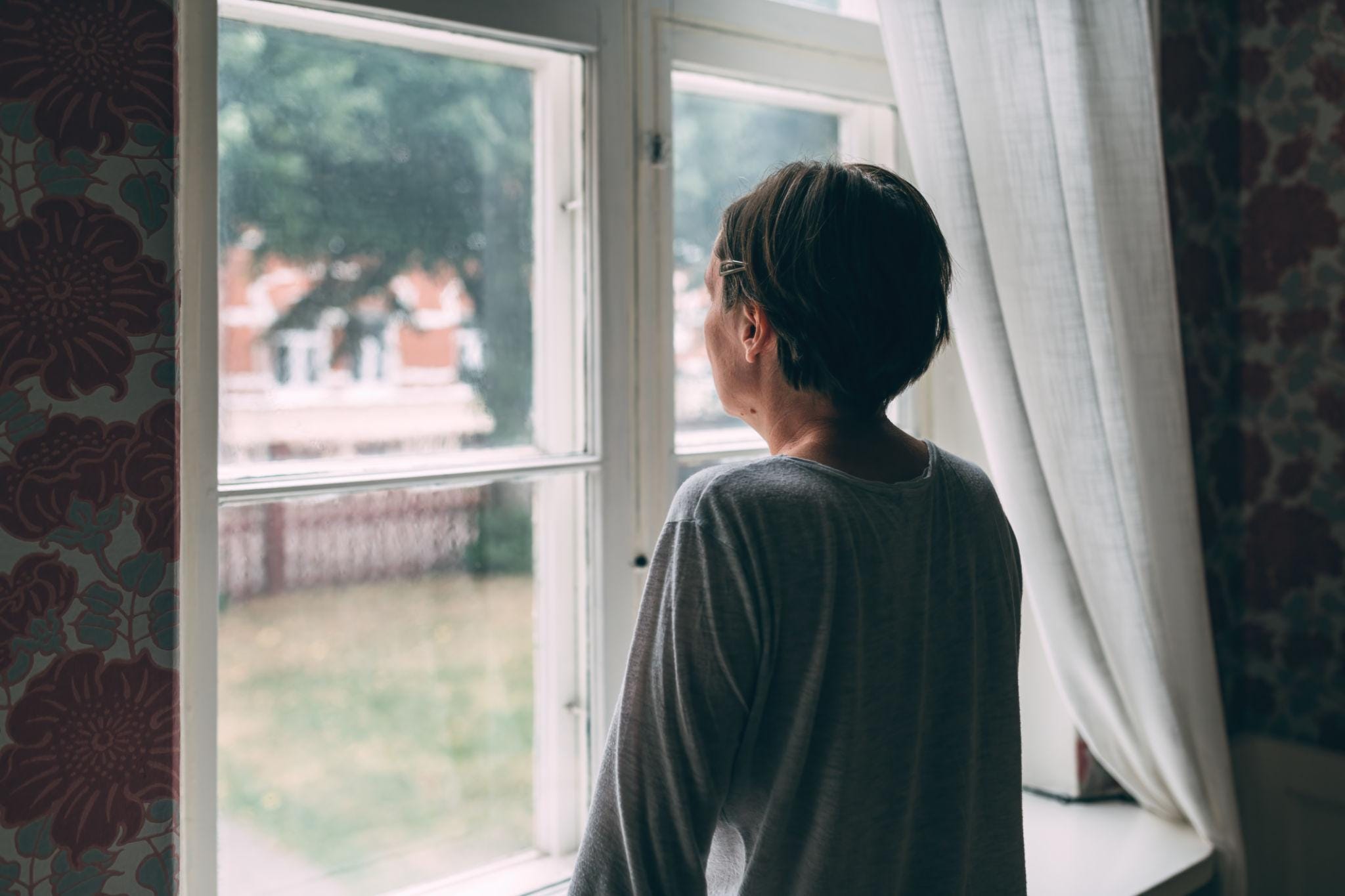
Avoid when possible. Address only when necessary. And even then, proceed carefully.
So when people ask about conflict in cohousing, I understand their concern on a personal level.
Because the question isn’t just, “Will there be conflict?”
Of course there will.
The real question is, “What happens when it shows up — especially if you’re someone who doesn’t naturally handle it well?”
What has surprised me most in learning about cohousing is that it doesn’t expect people to suddenly become different versions of themselves. It doesn’t assume that everyone is comfortable with hard conversations.
Instead, it creates structure.
At Gratitude Village, we are planning to use sociocracy, a consent-based approach to decision-making that provides clear pathways for communication. That might sound technical, but what it really means is that people are not left to navigate conflict alone or without guidance.
There are shared agreements about how to speak. How to listen. How to raise concerns. And how to move forward.
That matters more than I realized at first.
Because when there is no structure, conflict can feel unpredictable. Personal. Risky. But when there is a shared framework, it becomes more contained. More navigable. Less about confrontation and more about understanding.
It also changes the expectation.
Conflict is not treated as something that shouldn’t happen. It is recognized as something that will happen — and that can be worked through.
For someone like me, that shift is significant.
It means I don’t have to rely solely on my natural instincts, which tend toward avoidance. It means I am supported in having conversations I might otherwise put off. It means I am not alone in figuring out how to repair something when it feels off. And perhaps most importantly, it means that relationships are not as fragile as they sometimes feel.
In a traditional setting, conflict can quietly end a relationship. You stop engaging. You create distance. There’s no real path back.

In a community built on repeated interaction, that distance isn’t as easy to maintain. You see each other. You share space. You cross paths. And over time, that creates more opportunities — and more motivation — to repair rather than retreat.
That doesn’t make it easy. But it does make it possible.
I don’t expect myself to suddenly love conflict. But I do see the value in being part of a community that doesn’t avoid it entirely.
A community that offers tools, structure, and shared understanding. A community where disagreement doesn’t mean disconnection.
Because in the end, the goal isn’t to eliminate tension.
It’s to build something strong enough to move through it.